Letting go of anxiety, negative stress and stage fright
Prepare effectively. Show up at 100% of your abilities. Show up fully, ready to disturb, to displease, to be ignored or looked down on… none of that, actually!
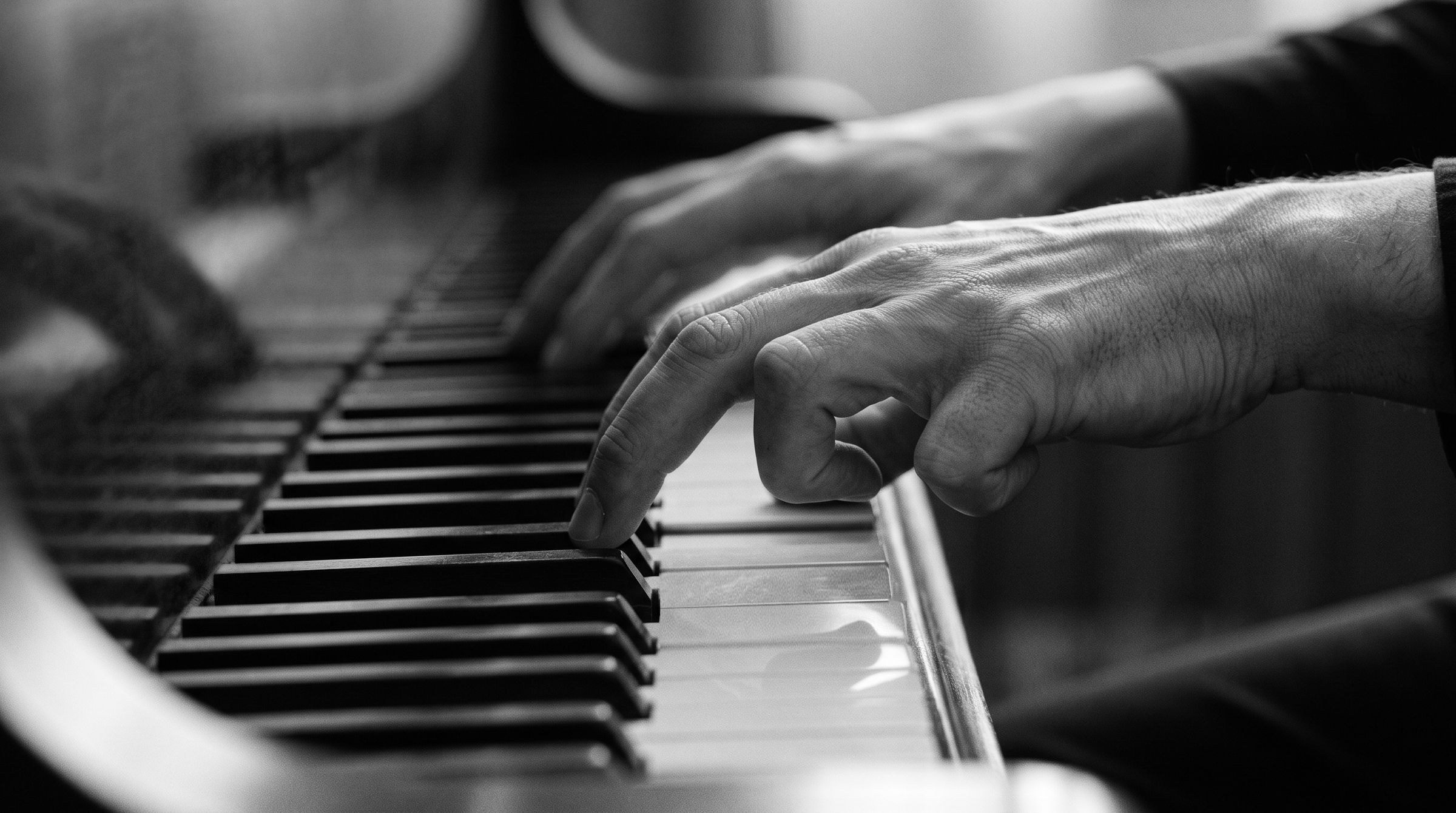
A PhD candidate conducting his research at IRCAM, and a physiotherapist and designer by training, Marc Papillon now devotes his work to exploring the mechanisms of musical movement: how it is controlled and how it is learned.
For thirty years he has worked alongside musicians to explore the interplay between perception, movement, emotion, cognition and artistic expression. His approach has evolved from a caregiver–patient relationship into a shared research process, in which the musicians themselves become active participants in their own experiments.
With focal dystonia, the aim is no longer simply to correct a dysfunction or to recover a former way of playing, but to explore other motor organizations, to experiment with variability and to develop new possibilities at the instrument.
This approach extends to the training of musicians, to instrumental and vocal learning, and to the prevention of the difficulties that can arise from musical practice.
His goal is to help each musician become an explorer of their own movement, able to observe, question, experiment with and transform the way they play.
Focal dystonia tends to affect accomplished musicians. After years of performing, they develop a painless movement disorder that causes specific muscle groups to contract involuntarily.
These problems appear at the instrument, in particular passages, and often cause little trouble in other everyday activities. In more severe cases, however, the same symptoms may also be reported in activities alongside playing, such as handwriting, using a computer mouse or keyboard, and other fine, repetitive manual tasks.
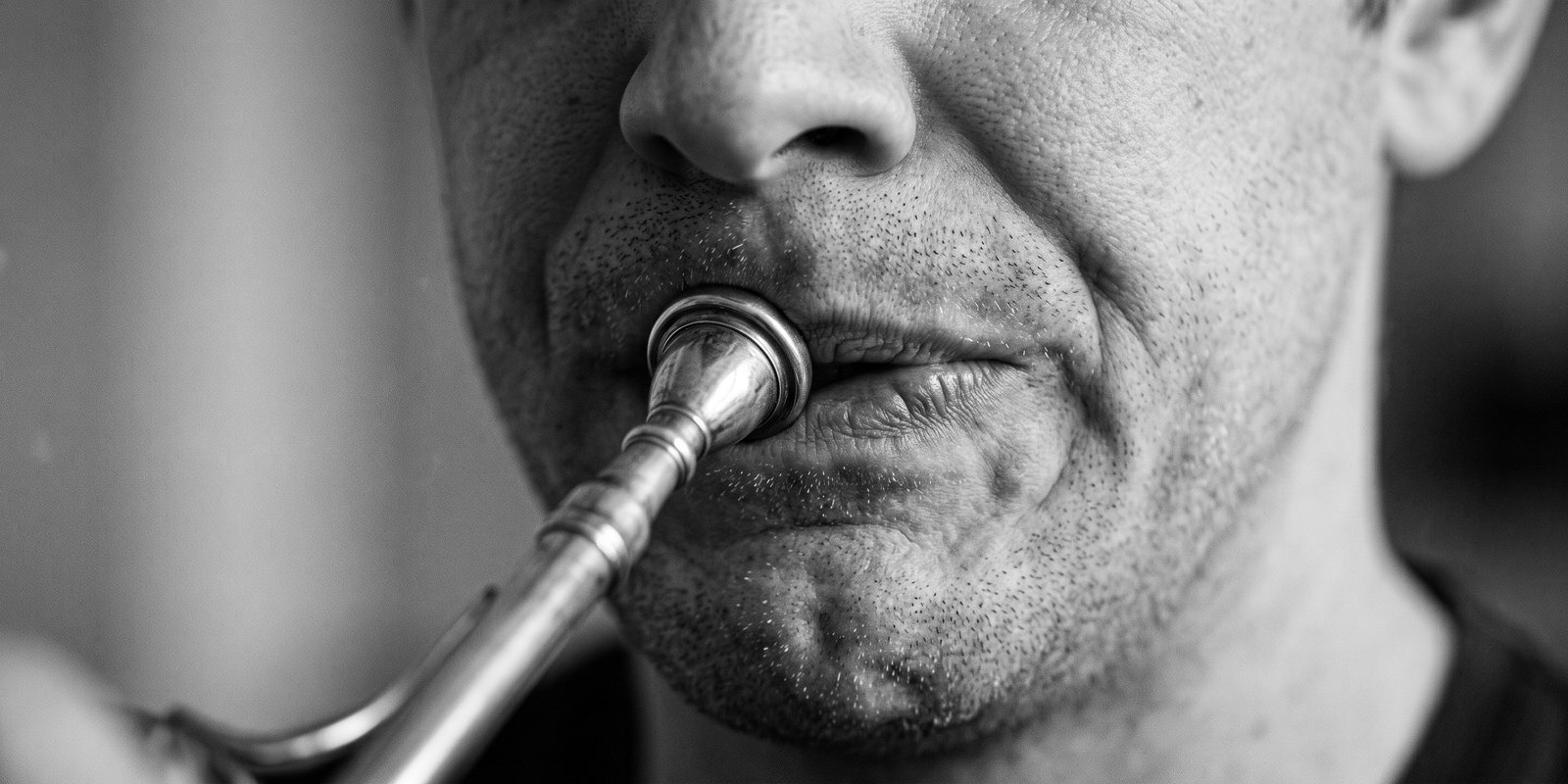
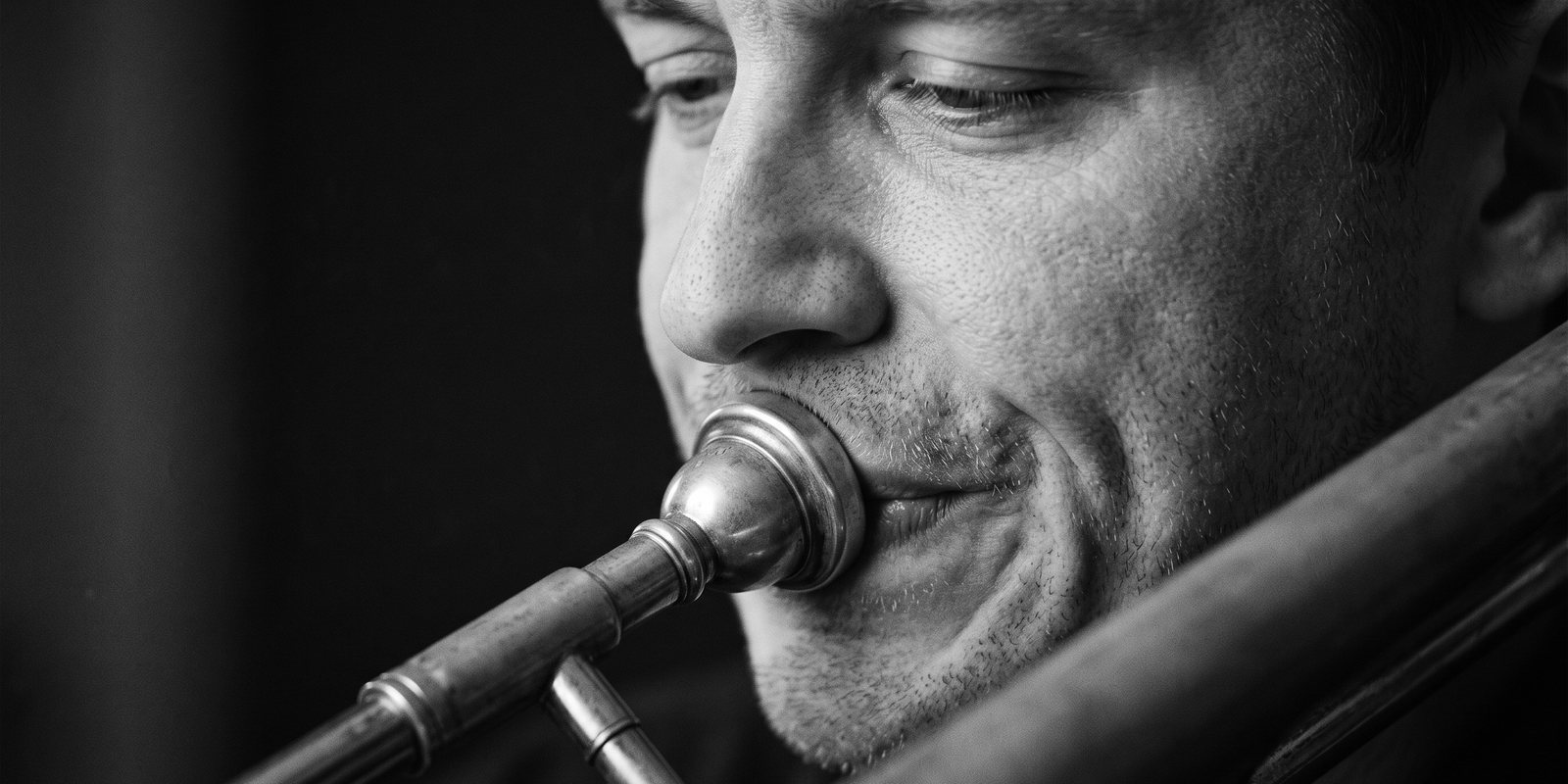
Focal dystonia is now better understood, both in the hands and in the embouchure of wind and brass players.
The triggers of musician’s focal dystonia vary: a change of instrument or technique, a change in practice routine, stress, stage fright, a difficult context or environment…
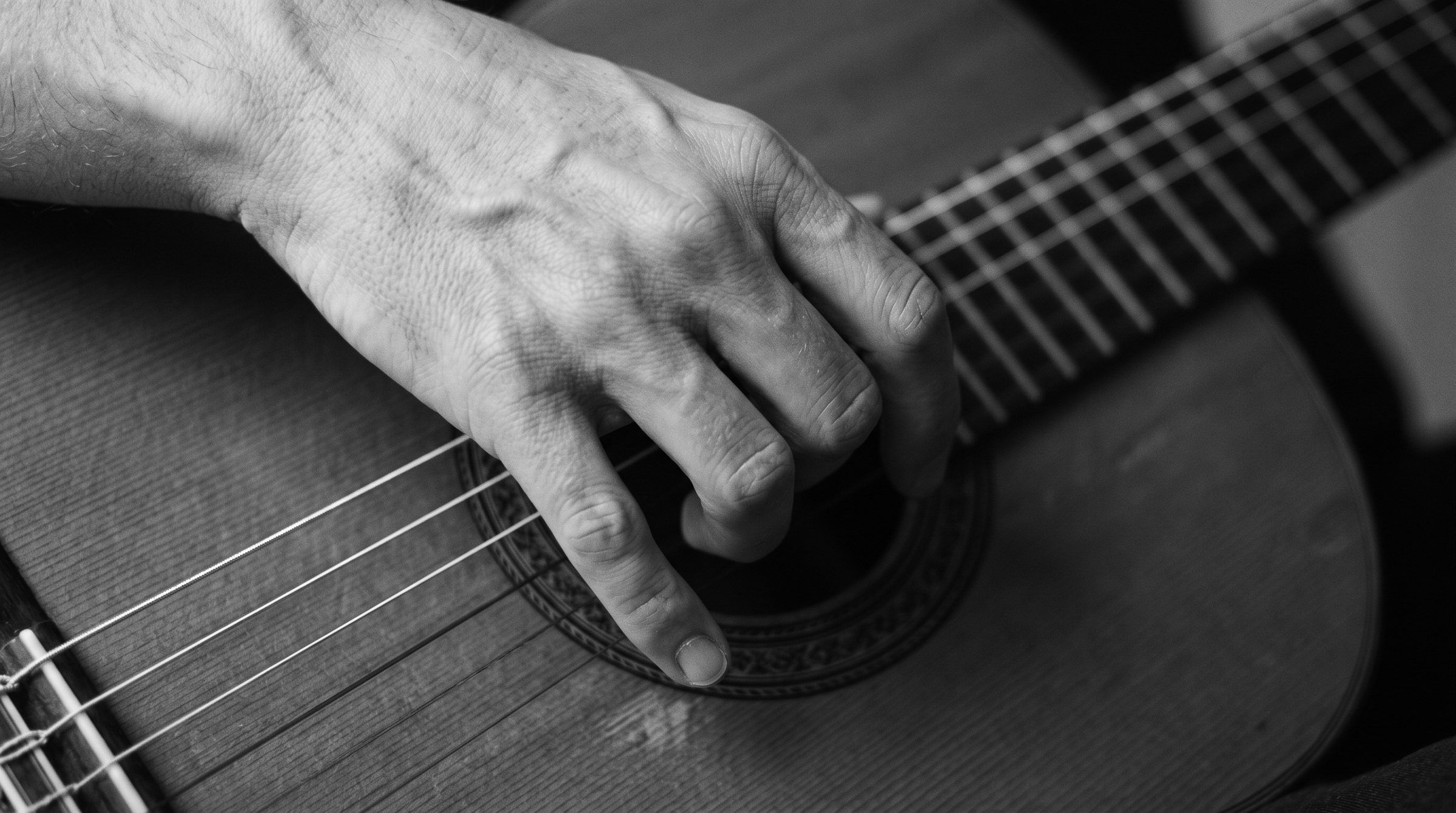
Diagnosing these involuntary, painless motor problems that disrupt playing is not always easy. The complaints vary, and focal dystonia shows up differently from one instrument, and one musician, to another. Musicians may tend to hide their technical difficulties, and the symptoms can remain subtle. On top of that, differences in vocabulary can make communication between artists and doctors difficult.
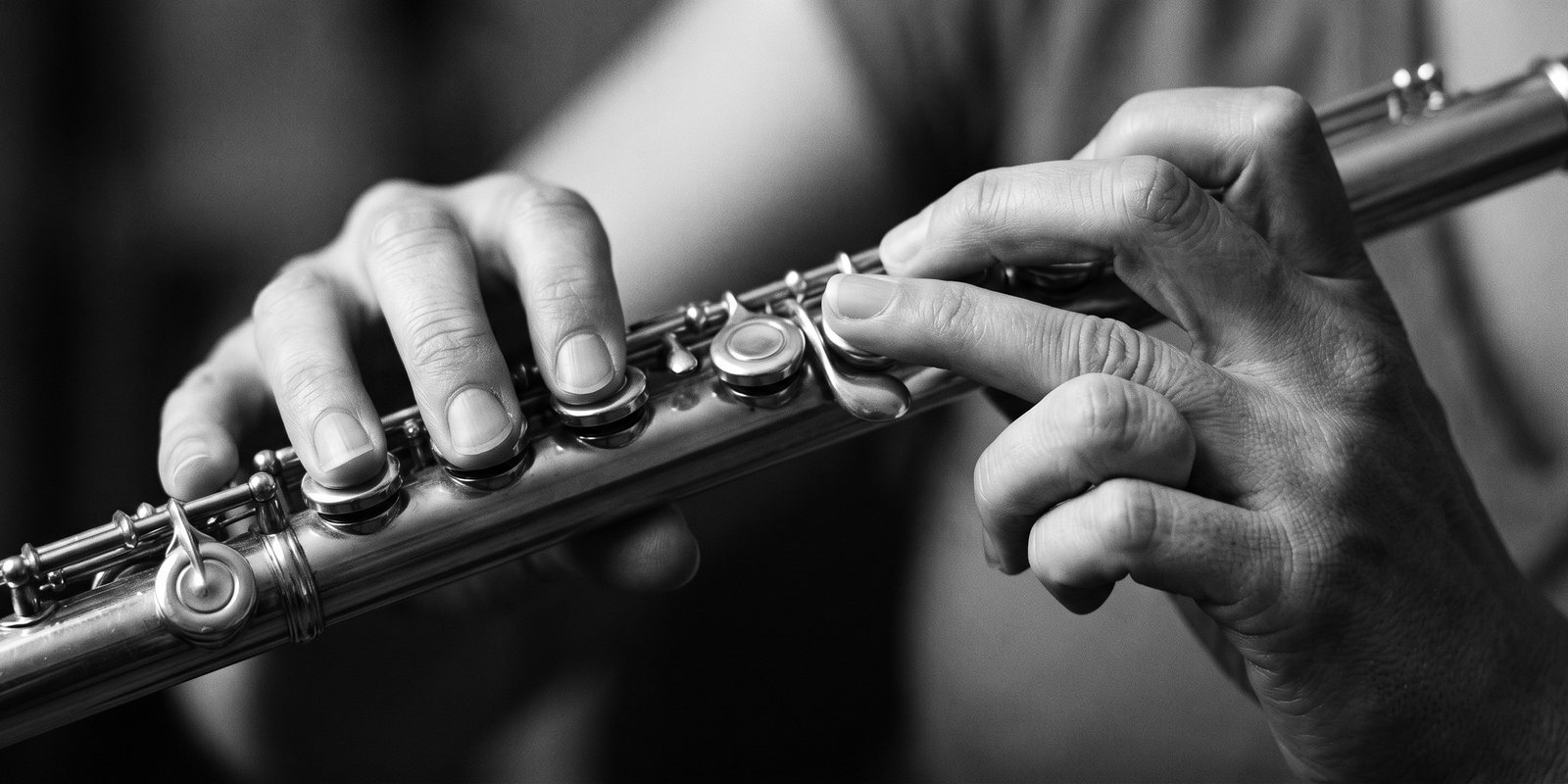
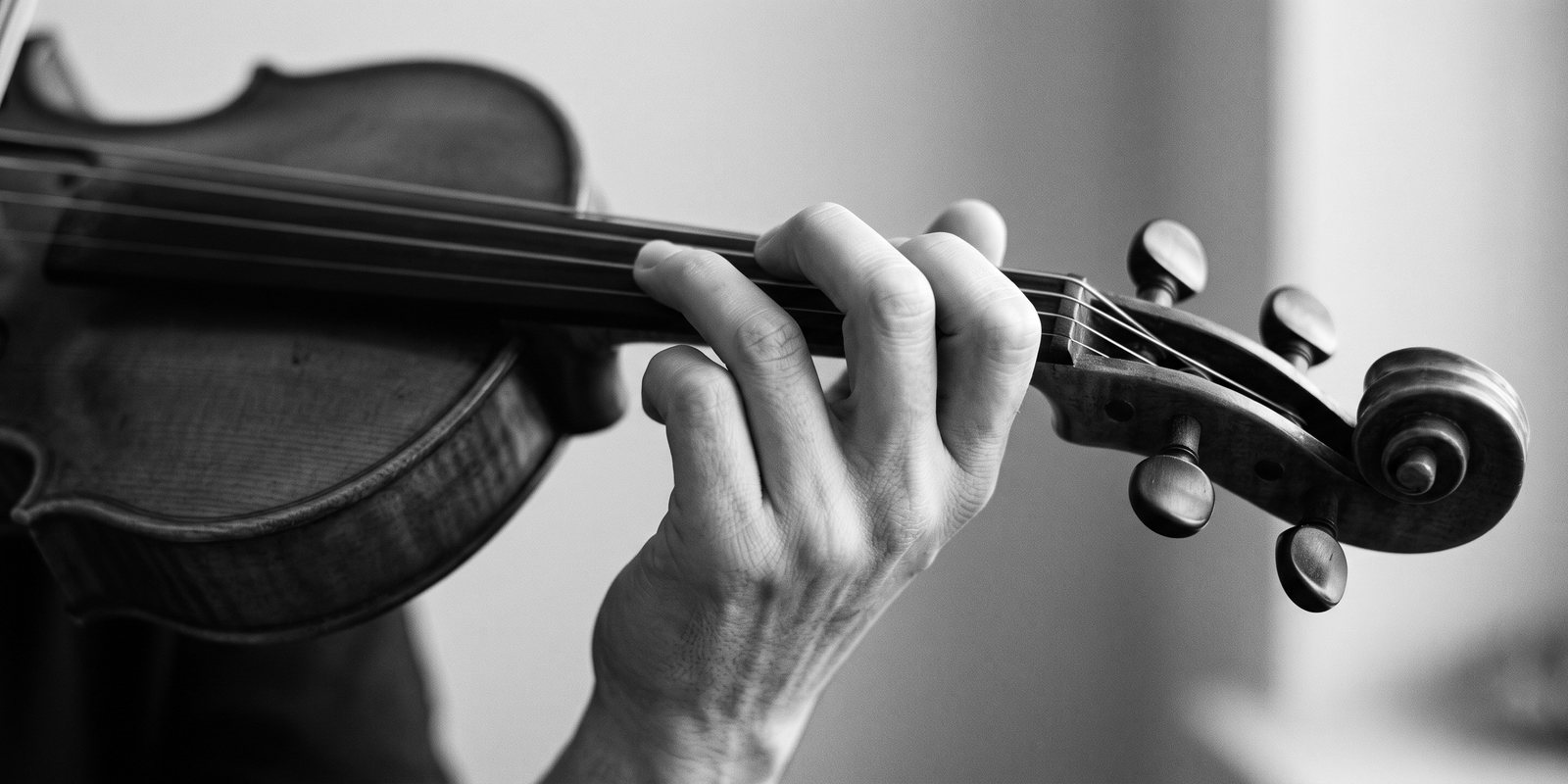
Misdiagnosed in the early years, these motor problems are deeply destabilizing for the musician. Little by little, everything around them starts to crumble: technical quality, level of playing, a sense of legitimacy. Relationships with colleagues become delicate, and as long as the dystonia is not clear in the musician’s own mind, it is even less clear to those around them.
It is then “easy” for others to read these problems as possibly psychological.
As a result, the musician begins asking far too many questions, many of them unwarranted, and a certain confusion sets in. Struggling seriously to play, with no rational explanation from those in their musical circle, they settle into patterns of behavior that will later need to be transformed.
The psychological and behavioral difficulties that follow from this dysfunction must be taken into account throughout the whole process of exploration and learning.
Musicians are reassured when they hear a clear, precise account of what they are going through.
With focal dystonia, the musician struggles seriously to play, and no one in their musical circle can offer a rational explanation.
The musician tries to counter the faulty movement and to fight the dystonia “by force.”
In doing so, they reinforce a faulty pattern and intensify the symptoms of a dystonia that is taking hold.
Focal dystonia is not painful.
It shows up as an involuntary movement of one or more fingers during a specific musical passage; away from the instrument, however, the affected hand usually works normally.
The ulnar fingers are the most frequently affected.
The musician may feel stiffness in the fingers, fatigue or discomfort in the hand, leading to wrong notes or preventing fluid movement.
The agonist/antagonist balance of the flexor muscles is disturbed. For the embouchure, this is the balance between the orbicularis oris and the dilator muscles.
The functional balance of the tongue is essential. Considerable work is needed on the relationship between tongue position and its dynamics in playing.
For the hand, the shoulder girdle is also a fundamental key, supporting the hand in space as well as possible while avoiding any compensation.
Let us distinguish the prime movers, which produce movement at the far end of the limb, from the stabilizing (fixator) muscles, which hold the limb in position, making the movement effective without hindering the action of the prime movers. Physiologically, these two muscle groups work in synergy. This coordination breaks down in focal dystonia, where a fundamental postural disorder is found.
Although the exact neurobiological cause of focal dystonia has still not been established, it appears that intensive instrumental practice, combined with sensorimotor, postural, behavioral and psychological factors, and sometimes a genetic predisposition or unfavorable anatomy, may give rise to this singular condition.
Prepare effectively. Show up at 100% of your abilities. Show up fully, ready to disturb, to displease, to be ignored or looked down on… none of that, actually!
Build concentration and play with confidence in every situation, with clear goals. A refined, ergonomic approach develops the qualities you are after: velocity, endurance and the joy of playing.
No false despair: the musician can play again, and enjoy it.
No false hope: the musician will not play the way they used to, and that is probably in their own interest.
One of the most crucial, and most often underestimated, skills in an artist’s life is the ability to perform for long periods without injury or pain while sustaining the quality of their artistic expression. This skill matters enormously over a career, because it goes far beyond simple technical control of the body.
First, playing without pain is essential to preserving long-term physical health. Artists spend many hours a day rehearsing and performing, which can put significant strain on the body, especially the hands, arms, back and shoulders, neck, lips and lower limbs… Mastery of the body as a whole, and of its specialized areas, the embouchure, the hands and sometimes the feet, matters far more than what is called instrumental or vocal technique, which too often focuses on the end of the chain (the hands and/or lips alone). An artist who can play without pain is better equipped to sustain a lasting career and to keep their art flourishing.
Playing without pain also preserves the quality of artistic expression. Pain and discomfort can pull the artist’s attention away from the performance itself, reducing their ability to connect emotionally and to convey those emotions to the audience. An artist who plays in physical ease has more freedom to explore the nuances of the music, to express emotion and to create a deep and authentic experience.
In short, playing for a long time without pain while sustaining the quality of artistic expression is a demanding challenge, but it is a fundamental skill for any artist who cares about their career and their art. It calls for a constant commitment to physical health, body technique and artistic development, but the rewards are worth it: it allows artists to go on sharing their passion with the whole world.
Describe what happens when you play. Marc reads every message and replies to you personally, so that together you can decide on the next step: an individual session or the most suitable course.